
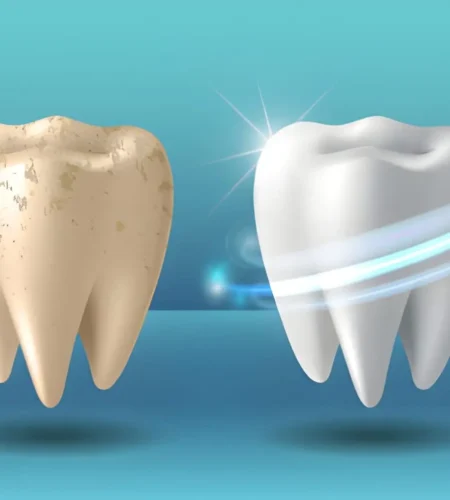
You might be staring at the mirror, noticing that your teeth look a little dull, maybe a bit yellow, and thinking, “I need teeth whitening, maybe even professional teeth whitening.” At the same time, there is that nagging thought that you are overdue for a proper cleaning at the dentist. You want a brighter smile, but you also do not want to ignore your health. It can feel confusing to decide what to do first.end
Because of this tension, you might wonder if there is a “right” order. The short answer is that professional cleaning usually comes before whitening, because cleaning sets the stage for safer, more effective whitening. Whitening focuses on color. Cleaning focuses on health. When you put those in the right sequence, you get better and longer lasting results, with fewer surprises.
You do not need to become a dental expert to make a good choice. You just need to understand what each visit actually does for your mouth, where the risks and benefits are, and how to plan your next few appointments in a way that fits your time, budget, and comfort level.
What Is Really Bothering You: The Color, The Health, Or Both?
Think about what pushed you to start researching teeth whitening vs professional dental cleaning. Maybe you have a big event coming up, like a wedding or job interview, and you want your smile to look better in photos. Or maybe you noticed bleeding when you brush, a bad taste in your mouth, or a cavity scare in the past. Often it is both appearance and health pulling on you at the same time.
Here is the hard part. It is very easy to focus on color because you can see it instantly. Yellow or stained teeth are obvious in every photo. Problems like tooth decay, early gum disease, or plaque buildup are much quieter, but they can cause lasting damage if they are ignored. According to medical sources like MedlinePlus on tooth decay, small untreated issues can turn into pain, infection, and even tooth loss over time.
So where does that leave you with whitening? Whitening can be safe and helpful when the teeth and gums underneath are stable. If there is plaque, tartar, or untreated decay, whitening can cause more sensitivity, uneven color, and it can even hide problems that should be treated first. That is why many dentists recommend a cleaning and full checkup before any cosmetic work.
What Professional Dental Cleaning Actually Does For Your Smile
A professional dental cleaning is more than a “better brushing.” It is a medical procedure that removes plaque and hardened tartar that you simply cannot reach or remove fully at home, even if you brush and floss well. During a cleaning, the dental team can also spot early signs of cavities, gum disease, or enamel wear, and they can guide you on how to prevent bigger issues.
Imagine two people who want whiter teeth. One has a thorough cleaning first and any small cavities are treated. The other skips straight to whitening. The first person will likely have a more even shade, less sensitivity, and results that last longer, because the whitening gel is working on clean enamel, not on a layer of plaque. The second person may notice bright spots near the edges of the teeth, darker bands near the gums, and zingers of pain with hot or cold drinks.
Because of this, many clinics that offer general dentistry services, such as those described in Columbia’s general dentistry care, build whitening into a larger plan. Cleaning and exam first. Then whitening. Then routine maintenance. This order protects your health while still respecting your wish for a nicer looking smile.
How Teeth Whitening Fits In Once Your Mouth Is Healthy
Once your teeth and gums are in good shape, whitening becomes much more predictable. Whitening treatments use bleaching agents to break up stains in the enamel. They work well on discoloration from coffee, tea, red wine, or age. They do not fix cavities, chipped teeth, or recessed gums. That is why whitening is called a cosmetic treatment rather than a health treatment.
You might be considering at home whitening strips, custom trays from a dentist, or in office whitening. Each option has its own cost, time, and sensitivity profile. No matter which you choose, you will get better results if plaque and tartar have been removed first. Clean teeth allow the whitening gel to contact the enamel directly, so the shade change is more even.
Another key point. Whitening does not change the color of fillings, crowns, or veneers. If you whiten first, you might notice that older dental work looks darker next to the newly whitened teeth. This is yet another reason to have a dentist examine you before whitening. Together you can plan the sequence, so any visible fillings or crowns are updated at the right time and match your new tooth color.
Comparing Teeth Whitening And Professional Cleaning: What Should Come First?
To help you see the differences more clearly, here is a simple comparison of professional cleaning before whitening versus whitening alone.
| Question | Professional Cleaning First | Whitening Without Cleaning |
|---|---|---|
| Main focus | Health of teeth and gums. Removal of plaque and tartar. | Color of teeth only. Stains and shade. |
| Impact on long term oral health | Helps prevent cavities and gum disease. Supports overall health. | No direct health benefit. Can mask problems that need treatment. |
| Effectiveness of whitening | Whitening tends to be more even and last longer on clean teeth. | Higher chance of patchy results where plaque or tartar remain. |
| Risk of sensitivity or pain | Lower. Problems are treated first, so whitening is safer. | Higher, especially if there are hidden cavities or exposed roots. |
| Cost over time | May feel like more upfront, but can prevent expensive urgent care later. | Cheaper in the short term, but may lead to more costly treatment if issues worsen. |
| Best for | Anyone who has not had a checkup or cleaning in the last 6 to 12 months. | People with very recent dental exam and cleaning, confirmed healthy by a dentist. |
When you look at it this way, scheduling a professional dental cleaning before teeth whitening is usually the safer and smarter order. Whitening then becomes the “finishing touch” once you know your mouth is stable.
Three Steps You Can Take Right Now To Make A Confident Choice
1. Check your recent dental history honestly
Ask yourself when you last had a full dental exam and professional cleaning. If it has been more than a year, or you cannot remember, treat cleaning and a checkup as your first priority. Mention that you are interested in whitening so the dentist can check for any issues that might affect it, like gum recession, worn enamel, or older fillings in front teeth.
2. Share your goals and your timeline with your dentist
If you have a deadline, such as an upcoming event, say so clearly. Ask your dentist to map out a simple sequence. For example, “Cleaning and exam this week, treat any small cavities next week, then whitening two weeks before the event.” This kind of plan reduces stress because you know what is coming and why. It also allows you to spread costs and time over several visits.
3. Protect your results with daily habits
Whether you start with cleaning and move to whitening, or you are maintaining past treatment, your daily routine matters. Brush twice a day with fluoride toothpaste. Floss or use interdental cleaners once a day. Limit frequent sipping of sugary drinks and staining beverages like coffee or tea, or at least rinse with water afterward. These small habits support both health and appearance, so you do not feel like you are constantly starting over.
So, Which Should You Book First: Whitening Or Cleaning?
If you are still unsure, use this simple rule. If you have not had a recent exam and cleaning, schedule the cleaning first. If you have had a full checkup and cleaning in the last few months and your dentist cleared you, then you can safely explore professional teeth whitening as your next step.
You deserve a smile that feels good and looks good. When you put health first, cosmetics work better and last longer, and you are far less likely to be surprised by sudden pain or urgent treatment later. Start with clarity about your current dental health, then build whitening into that plan instead of treating it as a quick fix on its own.
Also Read-Why Messaging Matters: How Businesses Connect in a Mobile-First World
Comments