
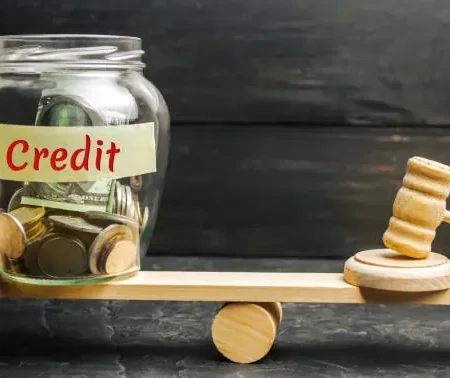
Credit is not one single thing. It is a mix of tools that serve different purposes. Credit cards work one way. Auto loans work another. Mortgages follow their own rules. When you understand how these pieces interact, you can use them strategically rather than feeling overwhelmed.
Balancing different types of credit means managing both revolving credit, such as credit cards, and installment credit, such as personal loans, auto loans, or student loans. It also means knowing when to adjust your approach. For example, if revolving balances become unmanageable, researching options like debt settlement may be part of regaining control. The key is not just paying bills, but understanding how each type of credit affects your overall financial health.
When used thoughtfully, a balanced credit profile can strengthen your credit score and provide flexibility without overextending your finances.
Understanding Revolving vs Installment Credit
Revolving credit, most commonly credit cards, allows you to borrow up to a limit and repay flexibly each month. Your balance can change frequently, and you decide how much to pay beyond the minimum.
Installment credit, on the other hand, involves borrowing a fixed amount and repaying it in scheduled payments over a set period. Mortgages, car loans, and student loans fall into this category.
Each type of credit affects your credit score differently. Payment history and credit utilization play a major role in scoring models. According to the Consumer Financial Protection Bureau’s overview of credit scores, on time payments and responsible credit use are among the most important factors.
Understanding these distinctions helps you avoid common mistakes, such as carrying high credit card balances while assuming your installment loans will offset the impact.
Managing Credit Utilization Carefully
One of the most important strategies for revolving credit is managing utilization. This refers to the percentage of your available credit that you are currently using.
Experts often recommend keeping utilization below 30 percent of your total credit limit. If you have a credit card with a $10,000 limit, ideally you would keep the balance below $3,000. Lower utilization can signal to lenders that you are not overly reliant on borrowed funds.
High utilization can lower your credit score, even if you pay on time. The Federal Trade Commission explains how credit scoring models weigh utilization and other factors. If your balances are creeping up, consider making multiple payments throughout the month to keep reported balances low. This small adjustment can make a noticeable difference.
Diversifying Without Overextending
A healthy mix of credit types can support your credit profile. Lenders like to see that you can handle different forms of credit responsibly. Having both revolving and installment accounts demonstrates versatility.
However, diversification should never mean taking on debt just to improve your credit score. Opening unnecessary accounts or loans can create financial strain.
Instead, focus on organic diversification. For example, if you already need a car, financing it responsibly adds an installment account. If you use a credit card for everyday expenses and pay it off in full each month, you maintain active revolving credit without incurring interest.
The goal is balance, not volume.
Prioritizing On Time Payments Above All
If you could focus on only one strategy, it should be paying every bill on time. Payment history carries the most weight in most credit scoring models.
Set up automatic payments for at least the minimum amount due. Then, whenever possible, pay more to reduce principal faster. Consistency matters more than perfection.
A single missed payment can stay on your credit report for years. Building a strong track record of on time payments gradually strengthens your profile and increases lender confidence.
When juggling multiple credit accounts, create a simple tracking system. Whether it is a digital calendar reminder or a budgeting app, clarity prevents oversight.
Aligning Credit With Cash Flow
Balancing different types of credit is not just about your credit score. It is about cash flow. Installment loans come with fixed monthly payments. Credit card payments can fluctuate depending on usage.
Evaluate how these obligations fit within your income. If too much of your monthly budget goes toward debt payments, you risk financial stress.
A common guideline is to monitor your debt to income ratio. This metric compares your total monthly debt payments to your gross monthly income. Keeping this ratio manageable increases financial stability and improves your ability to qualify for new credit when needed.
If your ratio feels high, prioritize paying down high interest revolving balances first. This reduces both interest costs and utilization percentages.
Using Installment Loans Strategically
Installment loans can serve long term goals, such as home ownership or education. They typically offer lower interest rates than credit cards and have predictable payment schedules.
However, taking on new installment debt requires careful consideration. Ask whether the loan supports an asset or skill that will provide lasting value.
For example, a mortgage builds equity over time. A student loan may increase earning potential. These uses of installment credit can align with long term planning.
Avoid using installment loans to consolidate poor spending habits without addressing the underlying behavior. True balance requires both structural and behavioral change.
Reviewing and Adjusting Regularly
Credit management is not a one time task. Review your credit reports at least once a year to ensure accuracy. You can request free reports from major credit bureaus through official channels.
Look for errors, outdated information, or unfamiliar accounts. Correcting inaccuracies protects your credit standing.
Also reassess your credit mix periodically. As your income grows or your goals change, your credit strategy may evolve. Paying off an installment loan early, reducing credit card usage, or refinancing for better terms can all be part of maintaining balance.
Building a Sustainable Credit Strategy
Balancing different types of credit ultimately comes down to intention. Revolving credit offers flexibility but requires discipline. Installment credit provides structure but adds long term commitments.
When you manage utilization carefully, diversify responsibly, and prioritize on time payments, you create a credit profile that supports rather than stresses your financial life.
Credit should work for you, not against you. By understanding how each type of credit functions and aligning it with your broader financial goals, you build both a strong credit score and a stable financial foundation.
That balance is not about perfection. It is about consistency, awareness, and smart decision making over time.
Comments