
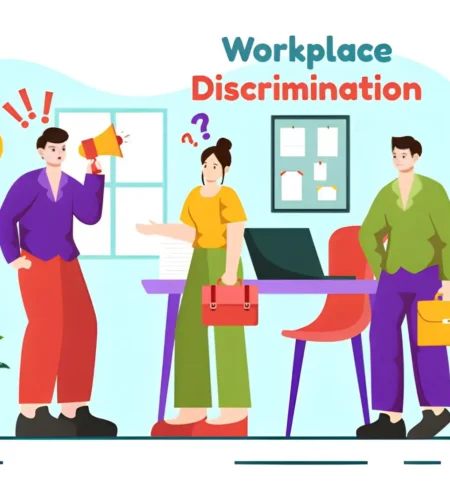
You reported discrimination. HR did nothing. Now you feel exposed, angry, and stuck. You are not alone. Many workers face silence after speaking up. That silence sends a clear message. Your pain does not matter. This blog explains your options when HR ignores your complaint. You will see how to protect your job, your health, and your legal rights. You will learn warning signs of retaliation and how to record them. You will also see how employers create hostile work environments and what that can mean for your case. There is a path forward, even when HR shuts the door. You can gather proof. You can seek outside help. You can plan your next step with care instead of fear. You deserve safety and respect at work.
Step 1: Write Down What Happened
Start with the facts. Memory fades. Written notes keep your story sharp and clear.
- Write the date, time, and place of each event
- Name the people who spoke or watched
- Use the exact words that were said
Then keep every related record. Save emails, texts, chat logs, meeting invites, and performance reviews. Take screenshots. Store copies at home or in a private cloud account you control.
Next, record all contact with HR. Note when you reported, who you spoke with, what you shared, and how they responded. If HR ignores you, write that down. Silence can support your claim.
Step 2: Watch for Retaliation
Retaliation is any punishment for speaking up. It can be sudden or slow. You need to spot it early.
- New write ups or harsh reviews after a clean record
- Shift to worse hours or tasks with no good reason
- Exclusion from meetings, projects, or training
The law can protect you when you report discrimination in good faith. The U.S. Equal Employment Opportunity Commission explains what counts as retaliation at https://www.eeoc.gov/retaliation. Study that page. Then compare it to what you see at work.
Step 3: Compare HR Promises to HR Action
Your employer may have a written policy. That policy can help you. It sets a standard the company claims to follow.
Read the handbook or code of conduct. Then match it to what HR did with your complaint.
| Policy promise | What you should see | Warning sign when HR ignores you |
|---|---|---|
| “We take all complaints seriously” | Prompt reply and set meeting | No reply or only vague notes |
| “We will investigate reports” | Interviews, document review, follow up | No questions, no updates, no findings |
| “We ban retaliation” | Clear warning to managers and staff | New discipline or cold behavior after report |
| “We provide equal opportunity” | Fair access to jobs and training | Sudden loss of chances you once had |
Each gap between promise and action can help show a pattern. That pattern can support a claim with an outside agency.
Step 4: Use Internal Options Without Staying Silent
If HR ignores you, look for other internal paths.
- Supervisor or higher level manager who is not part of the problem
- Union representative if you are in a union
- Employee resource group that supports your identity
When you speak to them, stay clear and calm. Share facts, not guesses. Bring your notes. Ask for specific steps and a clear date for follow up.
Never threaten or exaggerate. That can weaken your case. Let your records speak.
Step 5: Protect Your Health and Safety
Discrimination and HR silence can drain your body and mind. You may feel shame, fear, or rage. Those reactions are human. You still deserve care.
- Reach out to a trusted person outside work
- Use employee assistance programs if they feel safe
- Talk with a counselor or doctor about stress or sleep loss
If you fear violence, call 911. If you feel at risk of self harm, call or text 988 or use the chat at https://988lifeline.org. Your life matters more than any job.
Step 6: Contact an Outside Agency
You do not need HR approval to seek help. You can file a charge with a government agency.
- For most workers, contact the U.S. Equal Employment Opportunity Commission
- For many public employees, contact your state or local human rights office
The EEOC explains how to start a charge at https://www.eeoc.gov/how-file-charge-employment-discrimination. Read the time limits. Some are as short as 180 days from the act. So do not wait for HR to act if they refuse to move.
Step 7: Consider Legal Advice
An employment lawyer can explain your options. You may gain insight on
- Strength of your claim
- Best time to file
- Risks of quitting or staying
Some lawyers offer free first talks. Bring your timeline, records, and the policy from your employer. That preparation saves time and helps you get clear guidance.
Step 8: Plan Your Next Move
Silence from HR can push you to react fast. Instead, choose a steady plan.
- Decide if you will stay while you pursue a claim
- Update your resume and start job searches in case you need to leave
- Review your budget so you know your limits
You deserve a workplace where respect is the rule, not the exception. When HR ignores discrimination, you still have tools. You can record the truth. You can reach out for help. You can choose action over quiet pain.
Also Read
Comments